

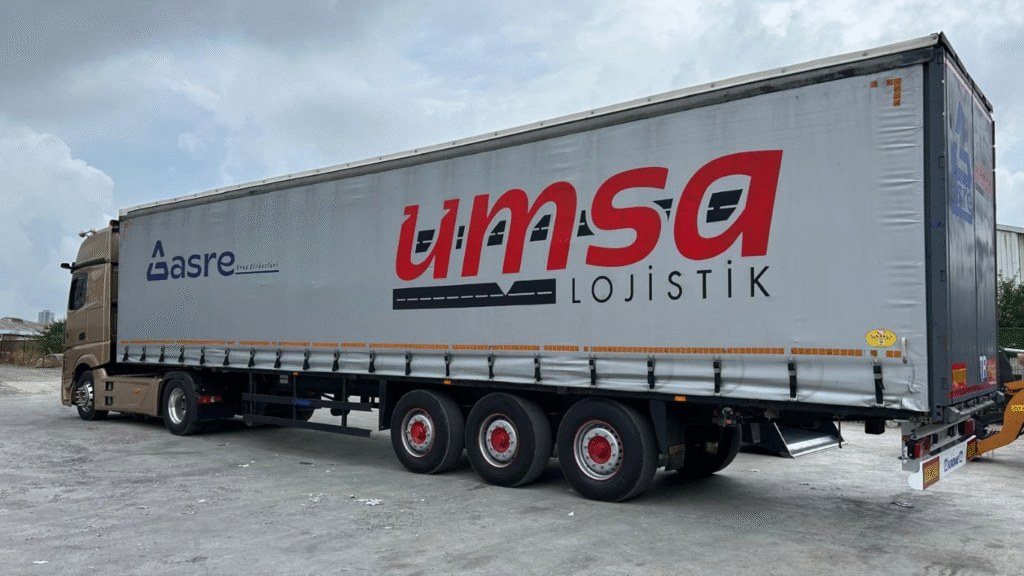
Development and Future of the Logistics Sector in Turkey
Turkey is a strategic logistics hub located at the crossroads of Asia and Europe. Thanks to its geographical advantage and extensive road, air, sea, and rail networks, the country has become a key point in regional trade. In recent years, with increasing foreign trade volume, the rise of e-commerce, and large-scale infrastructure investments, Turkey’s logistics sector has been rapidly growing and transforming.
The Role of the Sector in the Economy
Logistics is one of the driving forces of the Turkish economy. According to data from the Ministry of Transport and Infrastructure, the logistics sector accounts for approximately 12% of the country’s gross domestic product (GDP). While road transport handles around 85% of all freight movement, maritime and rail transport are also steadily gaining strength. Turkey’s export-oriented production model continues to fuel a growing demand for logistics services.
Infrastructure and Investments
To boost its logistics capacity, Turkey has made significant investments in recent years. Notable examples include:
Yavuz Sultan Selim Bridge
Marmaray rail project
Baku–Tbilisi–Kars railway line
Istanbul Airport
Logistics village projects
These initiatives aim to integrate road, sea, air, and rail transport, promoting multimodal transportation throughout the country. The ultimate goal is to transform Turkey from a mere transport corridor into a regional logistics base.
Digital Transformation and Technology Integration
Digital transformation has also gained momentum in Turkey’s logistics industry. Technologies such as:
Smart warehouse systems
Route optimization software
IoT-based vehicle tracking
Blockchain
…are making logistics operations more transparent, traceable, and efficient. Especially with the growth of e-commerce, last-mile delivery solutions, automation, and data analytics have become key areas of focus.
Challenges Facing the Sector
Despite strong growth momentum, Turkey’s logistics sector faces several challenges, including:
High fuel costs
Bureaucratic hurdles in customs processes
Shortage of skilled labor
Adaptation issues in digital transformation
However, government support, green logistics incentives, and increased investment in emerging technologies play an important role in overcoming these difficulties.
Looking Ahead
Turkey aims to match the European average on the Logistics Performance Index (LPI) and be ranked among the top 20 logistics countries in the world. To achieve this, the sector must continue advancing in:
Sustainable transportation
Digitalization
Human capital development
In the near future, Turkey is expected to further strengthen its role as a logistics bridge connecting Europe, the Middle East, and Central Asia.
With its strategic location, robust infrastructure, and growing trade volume, Turkey’s logistics sector is set to remain one of the most vital areas of economic growth in the years ahead. The companies that invest in technology, adopt environmentally friendly practices, and prioritize customer satisfaction will be the winners in this era of transformation.

Company
- About
- Services
- News & Media
- Contact
Quick links
© 2025 Umsa logistics website was created by Asre Medya