

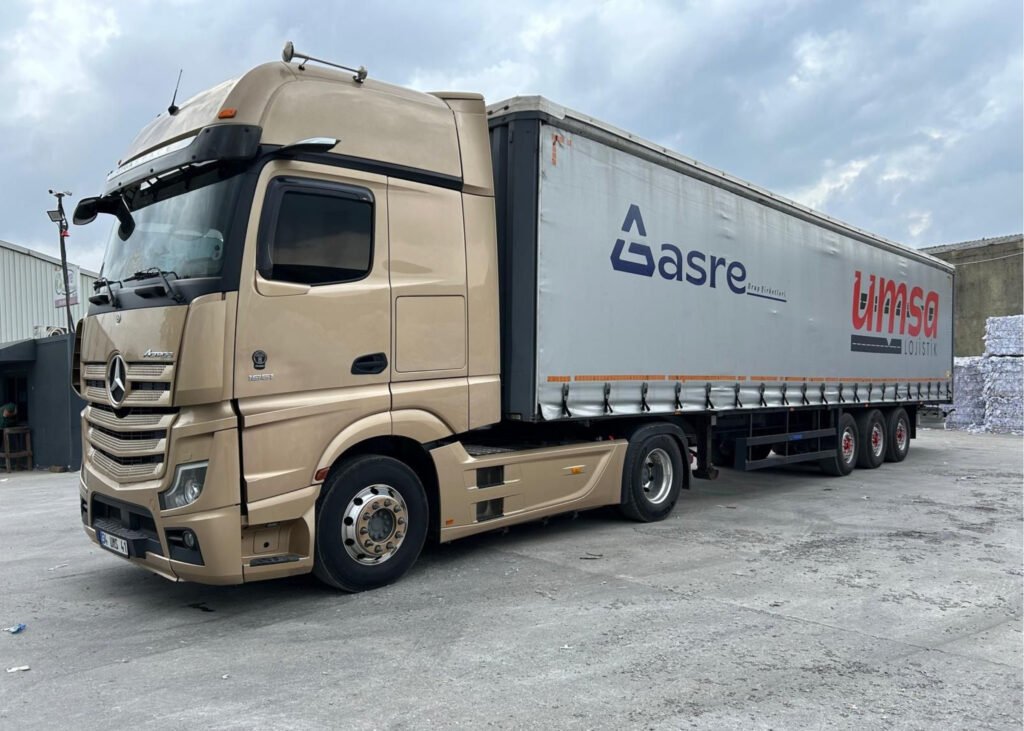
Road Transportation and Fleet Management: The Backbone of Logistics
Road transportation is one of the most common and indispensable modes of transport in the logistics sector. Thanks to its flexible structure, door-to-door delivery capability, and fast response potential, it holds a vital role in both domestic and international trade. The key factor that ensures the efficient operation of this system is effective fleet management.
The Importance of Road Transportation
Road transportation offers significant time and cost advantages for businesses, especially in short and medium-distance shipments. In countries like Turkey, located at the crossroads of three continents, the road network forms the backbone of trade. Many industries—such as food, textiles, automotive, and construction—rely heavily on road transport within their supply chains.
The Role of Fleet Management
Fleet management involves the planning, directing, maintenance, and performance monitoring of a company’s vehicles. Effective fleet management not only ensures the continuity of transport operations but also plays a critical role in fuel efficiency, extending vehicle lifespan, and reducing operational costs.
Today, fleet management is enhanced through digital technologies. GPS-based vehicle tracking systems, telematics solutions, and fleet management software allow companies to analyze driver behavior, optimize routes, and monitor delivery processes in real time.
The Impact of Technology and Digital Transformation
With the rise of smart logistics systems, fleet management has transitioned from manual processes to data-driven operations. Software solutions that optimize routes help reduce fuel consumption and shorten delivery times. Additionally, sensors and Internet of Things (IoT) technologies enable real-time tracking of data such as vehicle maintenance needs, engine performance, and tire pressure.
These advancements not only boost operational efficiency but also enhance safety standards.
Sustainable Road Transportation
With growing concern over environmental impacts, road transportation companies are increasingly adopting green fleet management practices. Electric trucks, hybrid vehicles, and alternative fuels (such as biodiesel and LNG) offer significant steps toward reducing carbon emissions. Furthermore, practices such as reducing empty returns and optimizing load capacity are key components of environmentally conscious transport.
Road transportation is the backbone of the logistics industry, and effective fleet management is the heart of this structure. Thanks to technological advancements, companies can now operate more transparently, efficiently, and sustainably.
To gain a competitive edge in the future, logistics firms must invest in digital fleet management systems, prioritize driver training, and adopt environmentally friendly vehicle policies.

Company
- About
- Services
- News & Media
- Contact
Quick links
© 2025 Umsa logistics website was created by Asre Medya